Swedish Massage
Long, flowing strokes that calm the nervous system and warm the tissue.
PressureLight–medium
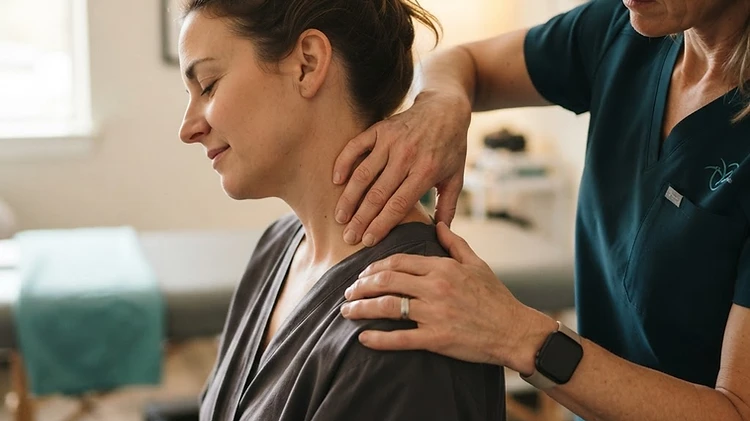
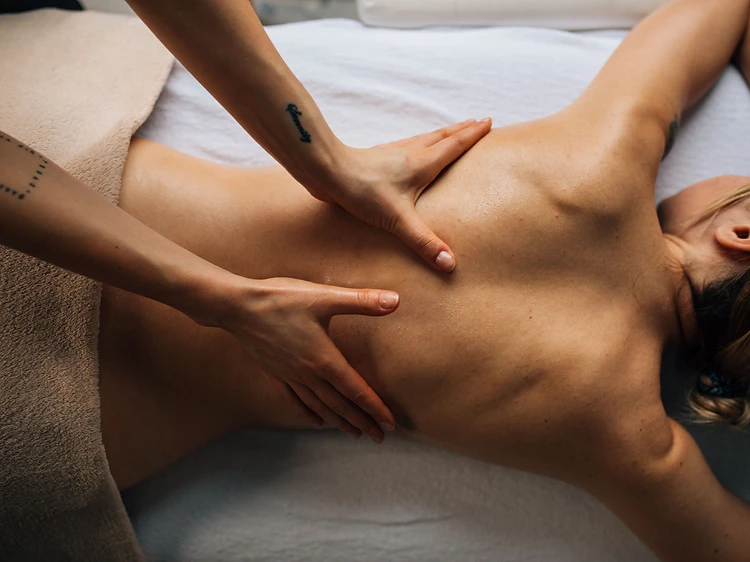
Swedish massage uses long gliding strokes, kneading, and light circular pressure with oil directly on the skin. It is the most familiar style of massage, and in an injury clinic it is often the first layer of a session rather than the whole thing.
Commonly blended with
- Swedish, then deep tissueEight to fifteen minutes of Swedish strokes warm and relax the surface layers so deep tissue pressure reaches the deeper muscle without the patient bracing against it.
- Swedish between trigger point holdsFlowing strokes between focused holds give the nervous system a break, which keeps trigger point work tolerable and limits next-day soreness.
- Swedish with prenatal positioningSide-lying Swedish work with bolsters is the foundation of prenatal sessions, where positioning matters as much as technique.
Potential benefits
- Calms the nervous system — Slow, rhythmic strokes lower sympathetic drive, which is why patients often leave with slower breathing and better sleep that night.
- Improves circulation — Strokes toward the heart help move lymph and blood through tissue that has been stagnant from guarding or immobility.
- Reduces muscle guarding — Gentle work convinces the body it is safe to let go, which makes the deeper release work that follows far more effective.
Best for First-time massage patients and anyone anxious about pressure · General tension, stress, and sleep disruption · Warming the surface layers before deeper techniques in the same visit · Recent injuries where tissue is still tender and easily guarded
Swedish Massage details